


Turn Retirement Anxiety Into Confidence and Financial Peace



Retirement anxiety — particularly around spending — can affect even those who’ve saved diligently. A Mutual of Omaha survey found, while many retirees feel confident their savings will last, a significant number experience guilt and uncertainty about spending. By focusing on planning, guaranteed income and overall well‑being, retirees can build confidence and find greater peace of mind.
Retirement should be an exciting new chapter in life, offering opportunities to travel, spend time with family and explore new hobbies.
Yet for many retirees, the transition away from a steady paycheck can bring fear and uncertainty about finances, tempering the sense of freedom they’ve long looked forward to.
Driven by worries their money could run out too soon, even those who have diligently saved throughout their careers may find themselves hesitant to spend during retirement.
Want to see how your retirement savings stack up?
Download our easy-to-use retirement drawdown checklist.
Mutual of Omaha recently conducted a survey of people nearing retirement and in retirement. The results revealed people in these stages of life experience a wide range of emotions, from excitement and relief to anxiety, guilt and uncertainty.
While many respondents say they feel assured their savings will last, 38% of those in retirement and 48% of those nearing it say they feel guilty about spending down money they’ve worked hard to save.
“Guilt I feel is the thing I think most about. I think about it all the time,” said one fully retired respondent with between $100,000 and $250,000 in investable assets.
Common sources of retirement anxiety
Guilt among retirees is often compounded by fear that their savings won’t be enough to last as prices for housing, health care, groceries and other necessities climb and market volatility chips away at the value of their nest egg.
“The biggest concern retirees have about spending isn’t lifestyle — it’s uncertainty,” said Nate Hobson, a financial advisor and national sales director of Mutual of Omaha’s Advisor Network. “The fear of running out of money often leads them to underspend, even when their plan says they can do more.”
The Mutual of Omaha survey revealed 90% of respondents believe having a guaranteed income can help provide peace of mind during retirement.
Guaranteed income during retirement can come from many sources. It may be a reliable, predictable income stream, such as a part-time job or an annuity. Or it may come from long-term care insurance benefits.
Beyond finances, quality of life concerns loom large for retirees. They may also worry about significant health problems, cognitive decline and social isolation. These fears reflect the broader emotional landscape of retirement, one that encompasses not just money, but meaning, connection and purpose.
Of those that responded to the survey,
58% worry about experiencing a major health event
49% worry about having to depend on others
42% worry about experiencing cognitive decline
34% worry about losing a spouse
17% worry about loss of social life
Together, these feelings underscore the psychological weight of entering a new stage of life marked by a shift from accumulating funds to spending them. This process can challenge deeply ingrained beliefs about aging, savings and financial control.
Managing retirement stress in the moment
If you’re among those wrestling with fears related to spending in retirement, Mutual of Omaha Work Life Program Consultant and Licensed Mental Health Practitioner Sadie Dooley recommends turning to an expert, such as a financial advisor, for help developing a clear, intentional plan and listing well-defined goals.
By carefully reviewing your income, assets and sticking to a spending strategy, you can reduce your levels of stress and uncertainty.
“By preparing for the future, you spend less time worrying about money and more time enjoying the retirement you’ve earned,” Dooley said. “When we understand ourselves more clearly and intentionally choose how to spend our time, this stage of life can become one of the most empowering and rewarding chapters.”
Many of the respondents to the survey revealed having a financial plan for retirement and sticking to it has provided immeasurable peace of mind. One fully retired female respondent with between $250,000 and $500,000 in investable assets summed it up best when she said having a plan means “being able to live every day without worrying about money.”
In addition to having a clear spending plan, Dooley also suggests seeking out free or low-cost supportive resources, including budgeting tools and planning platforms, as well as guidance from a trusted financial advisor.
“It’s never too late to educate yourself and take control of your future as your needs evolve throughout retirement,” she said. “You don’t have to navigate this transition alone. Trusted financial and mental health professionals can help support you along the way.”
The retirement transition: more than money
Retirement may also bring new considerations alongside its freedoms. Family dynamics may shift, particularly when caregiving responsibilities for children or aging parents come into play. Questions around health, long‑term care and insurance can also introduce uncertainty if plans aren’t clearly defined.
Stepping away from a long‑held work identity can be another adjustment. Separating who we are from the roles we once held takes time and rediscovering what brings joy, meaning and purpose in retirement can feel both energizing and challenging.
At the same time, connections with former coworkers may naturally fade, which can leave some retirees feeling less connected. Building new relationships and investing in meaningful connections can help foster a strong sense of purpose in this next chapter of life.
What is the first year of retirement really like?
Hear one recent retiree share his story on Mutual of Omaha Advisors’ Make It Personal Podcast.
Along with a clear financial plan and support from trusted mental experts, Dooley said it’s important for retirees to prioritize their mental and physical health.
Staying fit, eating well, getting enough sleep and spending time outdoors can help build the confidence needed to ease stress and anxiety during the retirement transition.
“Confidence plays an important role in mental health,” Dooley said. “When confidence is strong, people are more likely to approach life with optimism, resilience and a willingness to grow through new experiences, qualities that can greatly support the retirement transition.”
How long will your money last?
Use our free retirement calculator to find out.
Disclosures:
Registered Representatives offer securities through Mutual of Omaha Investor Services, Inc., Member FINRA/SIPC. Investment Advisor Representatives offer advisory services through Mutual of Omaha Investor Services, Inc. Not all Mutual of Omaha agents are registered representatives or financial advisors.
Mutual of Omaha and its representatives do not provide tax and/or legal advice, and the information provided herein is general in nature and should not be considered tax and/or legal advice.
Source:
Mutual of Omaha worked with research vendor, quantilope, to conduct research related to decumulation — the strategic drawdown of assets during retirement years. This research had a sample size of 496 respondents aged 50+ who were already retired (n=327) or nearing retirement (n=169) within the next 10 years.
Respondents who stated they didn’t have at least some assets to draw down during retirement were excluded from the survey.
The research was conducted in a 10-minute online survey from Oct. 6-15, 2025. All data included in this report are based on Mutual of Omaha proprietary research unless otherwise noted.
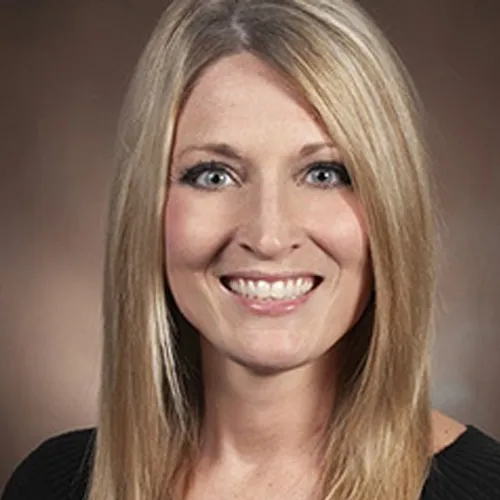
Reviewed by: Sadie Dooley, MA, LMHC, NCC
Licensed Mental Health Practitioner, Work-Life Program Consultant at Mutual of Omaha
Sadie Dooley is a Licensed Mental Health Practitioner and Nationally Certified Counselor currently serving as a Work-Life Program Consultant at Mutual of Omaha. In her role, she supports employees in navigating personal and professional challenges, accessing meaningful resources, and untangling complex systems that can impact well-being and performance. Sadie is deeply committed to education, connection, and creating opportunities that empower individuals to reach their full potential.
Suggested content for you in Retirement Planning
-
9 Retirement Income Sources You Can Combine to Fund Your Retirement
-
4 Ways Annuities Can Support Retirement Income
-
Income Annuities: What Are They and How Do They Work?
-
What Are Fixed Index Annuities and How Do They Work?
-
Working After Retirement: Things to Consider
-
Fixed Annuity vs. CD: 7 Key Differences to Know
-
How to Weigh Annuities in a Retirement Income Plan
-
Taking Social Security at Age 62 vs. 67 vs. 70
-
What Is a Fixed Annuity and Is It Right for You?
-
How to Adjust to Life as an Empty Nester
Explore other topics
Medicare Parts & Plans
Medicare Supplement Plan G vs. Plan N: Which One’s Best for You?Staying Fit
5 Exercises for a Cardio Workout At HomeTraveling in Retirement
Top 5 Cities for Seniors to Retire All Categories
 Medicare
 Retirement Planning
 Business Resources
 Life Insurance
 Financial Planning
 Health & Well-Being
 Travel & Living