


7 Low-Impact Exercises for Seniors Who Want to Stay Active


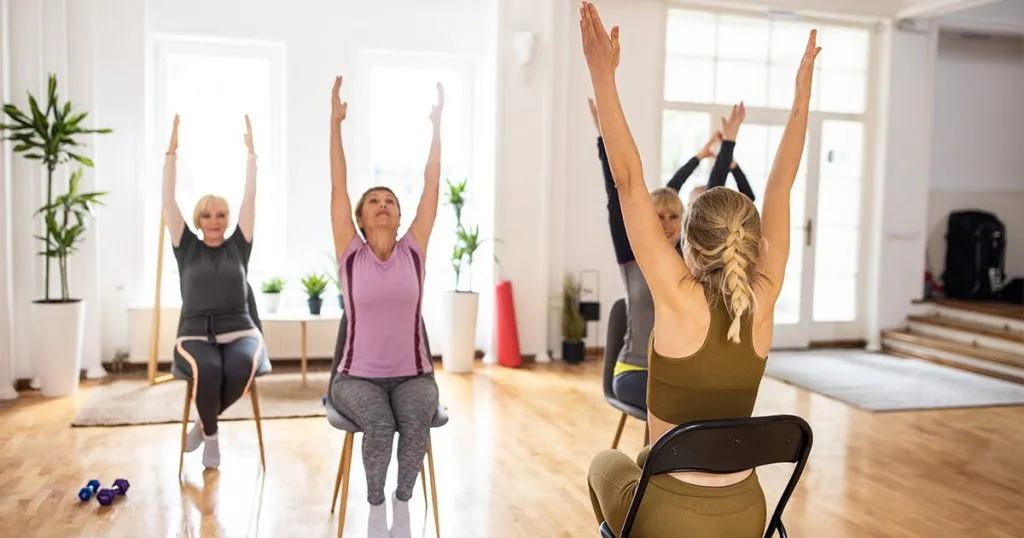
Low-impact exercises can help older adults stay active while putting less stress on the joints than higher-impact activities like running or jumping. Good options often include walking, water aerobics, stationary cycling, chair exercises, tai chi, resistance bands and gentle stretching.
The best routine depends on your health, mobility, balance, pain level and goals. Before starting or changing an exercise routine, talk with your doctor, especially if you have pain, arthritis, balance concerns, a recent injury, a recent surgery or a health condition that affects how you move.
Key takeaways:
Low-impact exercise means movement that puts less force on your joints, not necessarily exercise that is easy or effortless.
Walking, water aerobics, stationary cycling, chair exercises, tai chi, resistance bands and stretching may all be options for older adults.
Adults age 65+ are generally encouraged to include aerobic activity, muscle-strengthening activity and balance exercises each week, based on their ability and health status.¹
The best low-impact exercise routine after 70 depends on your current fitness level, health conditions, pain level, balance and doctor’s guidance.
If you have bad knees, hips or balance concerns, ask your doctor whether physical therapy, occupational therapy or a supervised exercise class may be appropriate.
Start slowly, listen to your body and stop activity if you feel chest pain, shortness of breath, dizziness, sharp pain or a sudden change in how a joint feels.
What are low-impact exercises?
Low-impact exercises are activities that reduce stress on your joints because at least one foot usually stays on the ground, or your body is supported by water, a chair, a bike seat or another surface. Walking, water aerobics, swimming and stationary cycling are common examples.
Low impact does not always mean low intensity. A brisk walk, water aerobics class or resistance band workout can still challenge your heart, muscles and balance. The goal is to choose movement that feels manageable for your body and can be done consistently.
Why low-impact exercise matters as you age
Many older adults want to stay active so they can keep doing the things they enjoy. In the 2026 Mutual of Omaha Aging Well Survey, 87% of respondents age 65+ said they want to keep walking or hiking as they age. Other preferred activities included gardening, strength training, yoga or stretching and swimming.*
Low-impact exercise may help support:
Mobility
Strength
Balance
Heart health
Energy
Flexibility
Confidence with daily movement
A well-rounded routine can address several of these areas.


Strength training, cardio, balance and flexibility all work together to help people stay active and independent.”
It can also support real-life activities, such as carrying groceries, climbing stairs, getting out of a chair, walking through an airport while traveling, gardening or playing with grandchildren.
7 low-impact exercises for older adults
The exercises below can be adjusted by pace, setting, equipment and support level. That flexibility can make it easier to start where you are instead of trying to follow a routine that does not fit your body or daily life.
You do not have to start with a complicated workout. Mutual of Omaha director of health services and registered nurse Kellee Grimes says, “The most important first step is to get yourself moving, even if that starts with simple daily activity.”
1. Walking
Walking is one of the most accessible low-impact exercises for older adults. It can support heart health, endurance, balance and daily mobility, and it does not require special equipment beyond supportive shoes.
You can start with short walks around your home, neighborhood, a local track, a mall or a community center. If you are new to walking or restarting your routine, start with a shorter distance and build gradually.
Walking may be a good option if you want to:
Build a regular movement habit
Support heart health
Improve endurance for daily activities
Stay active without joining a gym
Spend time outdoors or with a walking partner
Walking is also one of several exercises that support heart health, depending on your pace, duration and doctor’s guidance.
2. Water aerobics or swimming
Water aerobics and swimming can be helpful low-impact options because the water supports your body while you move. For some people, that can make movement feel easier on the knees, hips or back.
Water-based exercise may include:
Water walking
Gentle swimming
Beginner water aerobics
Pool-based stretching
Light resistance movements in water
Ask your doctor before starting water exercise if you have heart, lung, balance or skin concerns, or if you are unsure whether pool-based activity is safe for you.
3. Stationary cycling
Stationary cycling can provide low-impact cardio while keeping your body supported by a bike seat. A recumbent bike may feel more stable for some older adults because it has a backrest and a lower step-through design.
Stationary cycling may be useful if you want cardio activity but prefer to avoid uneven walking surfaces or weather-related concerns.
Before starting, make sure the seat height feels comfortable. If your knees, hips or back hurt while cycling, stop and ask your doctor, physical therapist or a qualified fitness professional to help check your setup.
4. Chair exercises
Chair exercises can be a practical way to stay active at home, especially if you are just getting started, have limited mobility or want support or caregivers nearby.
Examples include:
Chair exercise
How to do it
Seated marches
Sit tall and lift one knee at a time as if marching
Seated leg extensions
Straighten one leg while seated, then lower it slowly
Seated arm raises
Lift your arms forward or overhead, as comfortable
Seated toe taps
Tap one foot forward or to the side, then switch
Sit-to-stands
Stand up from a chair and sit back down with control
Use a sturdy chair that does not roll. If you feel unsteady, have someone nearby or ask your doctor whether a supervised class would be safer.
5. Tai chi
Tai chi uses slow, controlled movements that can support balance, coordination and body awareness. It may be a good option for older adults who want a low-impact activity that combines movement, focus and stability.
Balance needs can vary based on strength, vision, medications, inner ear issues, past falls, foot challenges and other health conditions. If you have fallen, feel unsteady or avoid activity because you are afraid of falling, talk with your doctor.
Tai chi is one way to practice balance, but it is not the only option. Other balance exercises for older adults may also help you work on stability in a controlled, supported way.
6. Resistance bands or light weights
Low-impact strength training can help support everyday movement. Getting out of a chair, carrying groceries, climbing stairs and lifting household items all depend on muscle strength.
Options may include:
Resistance band rows
Light biceps curls
Wall push-ups
Chair squats or sit-to-stands
Seated overhead presses with light weights
Heel raises
Step-ups on a low, stable step, if safe for you
Pawar states, “Starting small still counts. Even simple movements like air squats or wall push-ups can help someone begin building the habit.”
If you are new to strength training, ask your doctor whether you should work with a physical therapist, occupational therapist or qualified trainer who has experience with those that are age 65+.
7. Gentle stretching or yoga
Gentle stretching and beginner-friendly yoga can help support flexibility, mobility and body awareness. Stretching should feel controlled, not forced.
You might try:
Seated neck stretches
Shoulder rolls
Gentle calf stretches
Seated hamstring stretches
Chair yoga
Slow breathing with gentle movement
Avoid bouncing, forcing a stretch or holding a position that causes pain, dizziness or shortness of breath. Easy stretching routines for mobility often focus on slow, controlled movements that can be adjusted to your comfort level. Ask your doctor or physical therapist which stretches are safe for your body.
Choose the right low-impact exercise for your goals
The right low-impact activity depends on what you want movement to support. Some people want to improve stamina. Others want to feel steadier, build strength or move more comfortably at home.
Grimes notes that simple options can still support meaningful movement over time: “Walking, water aerobics, resistance bands and bodyweight exercises can help older adults build strength and mobility over time.”
Talk with your doctor before starting
You should always consult with your doctor before starting or changing an exercise routine, especially if you have pain, an injury, arthritis, balance concerns, heart or lung conditions, diabetes, dizziness, a recent fall or a recent surgery.
That step is important because many people do not check first. In the 2026 Mutual of Omaha Aging Well Survey, 66% of respondents age 65+ said they rarely or never check with a doctor before starting a new physical activity.*
Before you start, it’s worth making sure your plan matches your current health, medications and activity level. As Pawar explains, “If you have health conditions or have not seen a doctor in a while, talk with your doctor before starting a new activity.”
Ask your doctor:
What types of movement are safe for me right now?
Are there exercises I should avoid?
Should I work with a physical therapist, occupational therapist or trainer?
How should I adjust exercise if I have knee, hip, back or shoulder pain?
What symptoms mean I should stop and get checked by my doctor?
How often should I exercise based on my health and medications?
How to start if you have not exercised in a while
If you have been inactive, the safest starting point is usually lower impact than you think. You do not need to jump into long workouts to begin building a routine.
Pawar cautions against doing too much too soon: “One of the biggest mistakes people make is going all out too quickly after they have been inactive.”
Try this gradual approach:
Start with five to 10 minutes of easy movement, if your doctor says it is safe.
Choose one or two activities that feel realistic.
Add time slowly.
Include rest days.
Pay attention to pain, dizziness, shortness of breath or unusual fatigue.
Revisit your plan with your doctor if anything feels off.
In the 2026 Mutual of Omaha Aging Well Survey, pain or injury was the most common barrier to staying active among respondents age 65+, followed by lack of energy or feeling too tired.*

Consistency matters more than intensity when it comes to remaining active, mobile and flexible as you age.
That mindset can be especially helpful when pain, injury or low energy makes activity feel harder, because a more manageable routine is often easier to maintain than an intense restart.
Safety tips for low-impact workouts
Low-impact exercise should still be done thoughtfully. Even gentle movement can lead to injury if you move too quickly, ignore pain or exercise in an unsafe space.
Before you begin:
Clear clutter, cords and rugs from your exercise area
Wear supportive shoes
Keep water nearby
Warm up with easy movement
Use a sturdy chair or wall for balance
Avoid locking your knees
Move slowly and breathe steadily
Stop if something feels wrong
Grimes says, “A good warm-up matters because an injury may not always feel obvious in the moment.” She adds, “A good cool-down gives the body time to transition and recover after activity.”
Stop activity and seek medical guidance if you notice:
Chest pain or pressure
Shortness of breath that feels unusual
Dizziness or lightheadedness
Heart palpitations
Sharp or stabbing pain
Significant joint pain
A sudden pop that feels different from normal
Pain after a fall
Pain that gets worse or does not improve
Grimes warns, “Chest pain, pressure or shortness of breath are signs to stop activity and be evaluated by a healthcare provider.”
How to make low-impact exercise a habit
Exercise is easier to maintain when it fits into your actual life. Instead of starting with a complicated plan, connect movement to something you already do.
You might:
Walk after breakfast
Stretch after brushing your teeth
Do chair exercises during a TV show
Practice sit-to-stands before lunch
Walk with a friend once a week
Keep resistance bands near your favorite chair
Add activity to your calendar like an appointment
This kind of habit-building can make low-impact exercise feel like part of your day rather than another task to remember. Pawar says, “Behavior change is easier when you attach a new habit to something already built into your routine.”
You can also ask your doctor whether community resources, senior centers, gyms or physical therapy programs may be a good fit. Grimes says local support can help people restart movement more safely: “Local gyms and senior centers may offer safety or exercise classes where older adults can test mobility in a supported setting.”
Support your health one step at a time
Low-impact exercise can be a practical way to keep moving at age 65 and beyond. Start with activities that feel safe, realistic and enjoyable, and talk with your doctor about what makes sense for your health.
As part of your health plan, take time to review your Medicare coverage options to help ensure you have the protection that best fits your needs now and in the years to come.
Explore your options today with Mutual of Omaha’s Medicare Advice Center tool.
Frequently asked questions (FAQs)
What is the best exercise routine for a 70-year-old?
The best routine for a 70-year-old usually includes a mix of aerobic activity, strength training, balance exercises and flexibility. The right routine depends on your health, mobility, pain level, balance and doctor’s guidance. Walking, water aerobics, light weights, resistance bands, chair exercises and tai chi may all be options.
What is the number one exercise for older adults?
Walking is one of the most accessible exercises for many older adults, but it is not the best option for everyone. A balanced routine often includes walking or another form of cardio, plus strength and balance activities.
What’s the best type of low-impact cardio for someone over 70?
Walking, water aerobics, swimming and stationary cycling are common low-impact cardio options for adults over 70. The best choice depends on joint comfort, balance, access to equipment or a pool and your doctor’s guidance.
Are low-impact exercises enough to stay active?
Low-impact exercises can be part of a well-rounded routine if they include aerobic activity, strength training and balance work. The CDC recommends older adults include moderate-intensity aerobic activity, muscle-strengthening activity and balance activities each week, adjusted for ability and health status.¹
How often should older adults do low-impact exercise?
Older adults are generally encouraged to aim for at least 150 minutes of moderate-intensity aerobic activity per week, at least two days of muscle-strengthening activity and balance activities.¹ If that feels like too much, start with smaller amounts and ask your doctor how to build safely.
Should older adults stretch every day?
Gentle stretching may help support mobility and comfort, but it should not be painful. Stretch slowly, avoid bouncing and ask your doctor or physical therapist which stretches are safe for your body.
When should I stop exercising and call a doctor?
Stop activity and seek medical guidance if you feel chest pain, pressure, unusual shortness of breath, dizziness, heart palpitations, sharp pain, significant joint pain, a sudden pop or pain after a fall. You should also talk with your doctor if pain gets worse, lasts longer than expected or affects daily life.
Sources:
*2026 Mutual of Omaha Aging Well Survey. Mutual of Omaha utilized research vendor quantilope to conduct a 5-minute online survey of 400 respondents age 50+ with an annual household income of $50,000 or more. Research was conducted June 17-21, 2026. All study data cited in this article is based on Mutual of Omaha proprietary research unless otherwise noted.
Centers for Disease Control and Prevention, Older Adults: Adding Activity Recommendations, Dec. 4, 2025, accessed June 2026.
National Institute on Aging, Three Types of Exercise Can Improve Your Health and Physical Ability, Jan. 14, 2025, accessed June 2026.
Reviewed by: Kellee Grimes, MBA, RN, BSN
Director of Health Services, Mutual of Omaha
Kellee Grimes is a Registered Nurse, Certified ADAAA Coordinator, and Director of Human Resources at Mutual of Omaha. Leveraging her clinical experience in critical cardiac care and over a decade in health and welfare benefit administration, Kellee is passionate about comprehensive healthcare and dedicated to fostering inclusive, equitable communities. She and her husband are proud to raise their children as active and engaged members of the community.
Suggested content for you in Health & Well-Being
-
Best Memory Boosters for Seniors
-
How Stress Affects the Brain and How to Manage It After 50
-
Artificial Intelligence: Your ‘Assistant’ for Navigating Senior Living
-
How to Improve Sleep Quality for Brain Health
-
Best Exercises for Brain Health After 50
-
7 Ways to Keep Your Kidneys Healthy
-
What Is Healthspan? How to Stay Active and Independent Longer
-
How to Prepare for Your Welcome to Medicare Visit
-
How to Keep a Personal Health File After 65
-
How to Prepare for a Medicare Annual Wellness Visit
Explore other topics
Eating Well
Is Keto Diet Safe for Older Adults?Medicare Parts & Plans
Medicare Supplement Plan G vs. Plan N: Which One’s Best for You?Traveling in Retirement
Top 5 Cities for Seniors to Retire All Categories
 Medicare
 Retirement Planning
 Business Resources
 Life Insurance
 Financial Planning
 Health & Well-Being
 Travel & Living