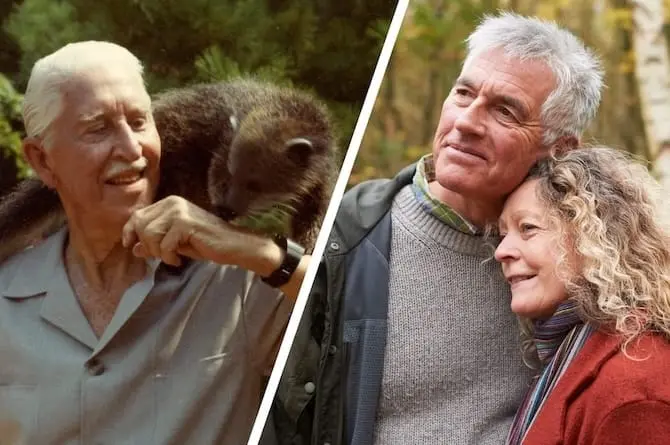
Expert insights from Peter Gros, co-host of Mutual of Omaha’s Wild Kingdom Protecting the Wild
Bats, snakes, toads, opossums and vultures are some of the most helpful animals that can visit your garden, even if they may be a tad spooky. Each of these animals keeps something in check, whether it’s insects and rodents or waste and decay. Your garden’s health benefits from the work of these species.

Key takeaways
- Seeing these animals often means your backyard is healthy.
- They handle insect control, rodent control and cleanup without chemicals.
- Most of these animals want nothing to do with people.
- The best way to help them is usually to leave them alone.
Quick facts
| Animal | How it helps your garden | When you’ll see it |
|---|---|---|
| Bat | Eats moths, beetles and mosquitoes; pollinates plants; guano can be used as fertilizer | Dusk |
| Toad | Eats beetles, ants and caterpillars | Night |
| Snake | Controls rodents that damage plants and dig up soil | Varies during the year — daytime in spring and fall, dawn and dusk in summer, inactive in winter |
| Opossum | Eats insects, fallen fruit and organic waste | Night |
| Vulture | Removes carcasses, which helps limit the spread of disease | Daytime |
Why do some backyard animals look scarier than they are?
As dusk settles over the garden bed, a few bats dart overhead. The sight may make you want to head inside!
The fear of bats or other “spooky” animals “is almost always driven by uncertainty rather than actual risk,” said Peter Gros, co-host of Mutual of Omaha’s Wild Kingdom Protecting the Wild.
“There are quite a few animals that people tend to shy away from at first glance, but if you take a moment to understand what they’re doing, you begin to see how each animal serves as an important part of the ecosystem,” Peter said.
Those bats, for example, are out hunting insects. Here’s what they and a few other misjudged visitors are doing for your garden.
Which animals help control garden insects?
Bats and toads both keep your insect population in check. A single bat can eat up to 1,000 insects in a night, including moths, beetles and other pests that can damage your plants.
“Their healthy appetite for insects is a big benefit for farmers and gardeners who rely on natural pest control to protect what they grow,” Peter said.
Toads also enjoy feasting on insects, including ants, caterpillars and beetles.
“They offer a steady, around-the-clock kind of protection, even when you aren’t there to notice it,” Peter said.

Are snakes good for your garden?
Snakes are great for your garden because they control rodents, which can damage plants, dig through soil and create bigger problems.
“I often remind people that seeing a snake is usually a sign of a healthy environment,” Peter said. “It means there’s enough biodiversity to support predators, which is what you want in a balanced ecosystem.”
Some peace of mind: “The vast majority of snakes you encounter in your backyard aren’t venomous and prefer to avoid human interaction altogether,” Peter said.
How do opossums and vultures keep your yard healthier?
Opossums and vultures eat what other animals leave behind, from dropped fruit to dead animals. Clearing that away removes food that could attract pests and helps limit the spread of disease.
“Opossums are another animal that people often judge by appearance rather than behavior,” Peter said. Don’t let their teeth scare you — they usually avoid people.
“They’re part of a balanced system, assisting with cleanup and keeping certain populations in check without causing much disturbance,” Peter said.
Vultures do the same job on a bigger scale, so animals don’t sit and spread disease. “It may not be the most appealing visual, but it’s an essential one,” Peter said.
Peter also spoke with Martha Stewart about how opossums, vultures and other backyard visitors help keep gardens healthy.

Should you worry about bats circling your garden?
Don’t be worried if you see bats circling your garden.
“What you’re witnessing is a natural evening routine,” Peter said. “Most bat species head out at dusk, and they’re remarkably skilled at navigating using echolocation, so they’re not interested in people at all. They’re focused on the tiny insects we barely notice.”
Not only do they serve as nature’s pest control, but they also help pollinate plants.
“In the Southwest, certain species feed on nectar from plants like agave and cactus,” Peter said. “These bats have adapted perfectly for it, with long snouts and tongues that let them reach deep into blooms.”
And if you see bat droppings, or guano, in your yard, you’ve just found what some gardeners call “black gold.” When used properly, their droppings can act as a natural fertilizer since they’re extremely rich in nutrients like nitrogen and phosphorus, which can help plant growth.
What does it mean when these animals show up in your yard?
These animals help a maintain healthy ecosystem. So, when you spot them in your yard, know that they’re keeping things in check.
“When you welcome wildlife, you’re inviting balance into your space,” Peter said. “And in my experience, that balance is what makes a garden really successful.”

How can you make your garden friendlier to wildlife?
A great way to make your garden more wildlife friendly is by planting a habitat garden. Start by adding native plants. According to the National Wildlife Federation, gardens with 50% to 70% native plants support 50% more wildlife than surrounding areas with just lawn and ornamental nonnative plants.
And when more wildlife starts to show up in your backyard, be sure to leave them alone and let them work their magic. “They do a lot more for our gardens than most people realize,” Peter said.
Frequently asked questions
Are bats good for your garden?
Yes. One bat can eat around 1,000 insects each night, including those whose larvae damage plants. They can also pollinate plants, and their droppings make great natural fertilizer.
Are backyard snakes dangerous?
Not usually. Most snakes you’d find in your backyard aren’t venomous and don’t want anything to do with you. Their presence is more helpful than harmful — they control rodent populations.
Do opossums cause problems in gardens?
Rarely. Opossums tend to avoid people and instead focus on eating the insects and dropped fruit that could otherwise draw pests.

Why are vultures important?
Vultures are vital to a healthy environment because they eat carcasses, which helps stop the spread of disease.
How do toads help a garden?
Toads eat a variety of insects, such as caterpillars, beetles and ants, that can hurt your plants.