The Role of Healthy Vision in Academic Success

As families prepare for the new school year, their focus is on supplies and schedules. However, one important item is often overlooked: vision health. Because so much of a child's learning experience depends on what they can see, routine eye exams play an important role in helping students succeed both inside and outside the classroom.
Vision and learning
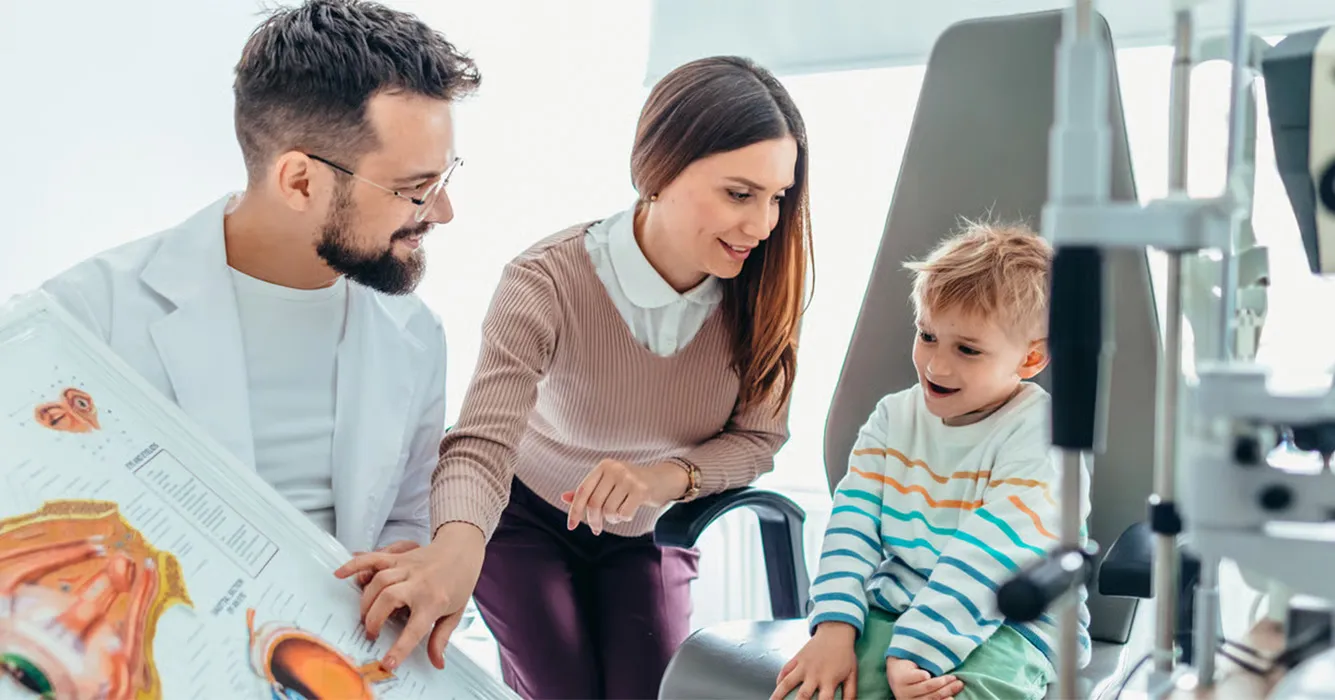
Vision plays a critical role in how children learn, read and engage in the classroom. From reading, to participating in activities, vision affects how children learn throughout the school day.
It may not always be easy to know when a child is struggling with vision problems. Because vision changes can happen gradually, kids often assume what they're seeing is normal. As a result, vision problems may go undetected, potentially impacting academic performance, attention span, confidence and classroom participation.
-

1 in every 4 children has a vision problem that requires diagnosis and treatment by an eye doctor.1
This presents an opportunity to remind employees about the importance of preventive vision care and the value of utilizing their vision benefits before the school year begins. Encouraging families to schedule annual eye exams can help identify vision issues early and ensure children have the visual tools they need to succeed.
Why routine eye exams matter
Comprehensive exams can help detect vision issues early, often before they begin affecting school performance.
An annual eye exam can evaluate:
-
Near and distance vision
-
Eye coordination and tracking
-
Depth perception
-
Eye health and development
-
Changes in vision that may require corrective lenses

When identified early, many vision issues can be managed effectively, helping students stay focused and engaged throughout the school year.
Back-to-school season serves as a timely reminder for families to make eye exams part of their annual health care routine.
What's included in vision insurance?
Vision coverage may include services such as:
-
Routine eye exams
-
Retinal imaging
-

Contact lenses
-

Frames
By helping families prioritize vision health, employers can contribute to healthier, more prepared students while reinforcing the value of their overall benefits package.