Supporting Mental Health in Today's Workplace

Employees are balancing more than ever. From mental health challenges and caregiving responsibilities to women's health needs that can impact well-being and productivity. As workplace expectations continue to evolve, employers have an opportunity to create environments where employees feel supported, connected and equipped to thrive.
Mental health in today's workplace
Mental health continues to play a defining role in workforce well-being, productivity and stability. According to the Substance Abuse and Mental Health Services Administration, nearly 1 in 4 U.S. adults (23.4%) experienced a mental illness in 2024 — representing more than 61 million people.¹
Despite the scale of the issue, a significant gap remains. Only about half of those individuals received treatment, underscoring ongoing challenges related to access, awareness and stigma.¹ At the same time, expectations are shifting. Employees increasingly look to their employers not just for benefits, but for meaningful support systems that help them navigate both personal and professional challenges.
This is especially relevant during Mental Health Awareness Month, led by Mental Health America. This year’s theme, “More Good Days, Together,” reinforces the importance of connection, shared understanding and accessible support.²
-
1 in 4
U.S. adults experienced a mental illness in 2024 — representing more than 61 million people.1
-

1/2
of those individuals received treatment.1

The overlooked impact of women's health at work
While mental health affects all employees, new research highlights how women often experience these challenges in ways that directly — and quietly — impact the workplace.
Our recent study of working women navigating health challenges found:³
-
Nearly 4 in 5
reported reduced productivity while working.
-

Close to 3 in 4
reduced their work hours due to health needs.
-
Impacts often lasted months
or longer, not just short-term disruptions.
-

3 in 4
said they hide or downplay these challenges at work.
These findings point to a critical dynamic: Many employees are not stepping away from work — they're continuing to work while managing reduced capacity, often without visible support. In many cases, this stems from concerns about privacy, uncertainty around available resources or fear of how seeking support may impact career growth.
For women balancing health needs, caregiving responsibilities and professional expectations, these pressures can compound — affecting both well-being and performance over time.
The business impact of unmet needs
When mental health and women’s health needs go unsupported, the effects extend beyond the individual. Organizations may experience:
-
Reduced productivity and engagement
-

Increased stress and burnout
-

Higher turnover and retention risk
-
Delayed career progression across key talent segments
Our research shows workplace support directly influences employee loyalty, performance and long-term workforce stability.³ When employees feel supported, they're more likely to stay engaged and perform at their best.

What employees say makes a difference
The path forward is clear. Employees consistently point to practical, human-centered support as the most meaningful:³
Flexible schedules and time for care needs
Clear, stigma-free communication from managers
Easy access to benefits and resources
Strong privacy and confidentiality protections
Access to mental health and counseling support
These are not simply enhancements to a benefits strategy — they're foundational elements that enable employees to remain productive and engaged while navigating health challenges.
What employers can do
Employers have an opportunity to make a meaningful impact by taking a thoughtful, proactive approach:
Promote psychological safety
Encourage open, stigma-free conversations and provide education on mental health awareness and communication.
Offer flexibility and accommodations
Support employees with flexible schedules, modified workloads and time for care when needed.
Encourage connection
Create space for regular check-ins that address well-being alongside performance.
Equip leaders to respond effectively
Train managers to recognize signs of distress and guide employees to appropriate resources.
Model healthy behaviors
Reinforce work-life balance, set realistic expectations and support time off for mental well-being.
Ensure resources are visible and easy to access
Clear communication is key — employees need to understand what support is available and how to use it.
The role of an employee assistance program
An Employee Assistance Program (EAP) can play a central role in delivering accessible, confidential support when employees need it most. Our EAP can help employees navigate a wide range of challenges — from stress and mental health concerns to caregiving and life transitions — through:
-

Professional, solution-focused counseling
-

Personalized support based on individual needs
-

Referrals to additional resources and care
-

Flexible access, including in-person and virtual options
This is particularly important given what we see in the data: Even when benefits exist, employees may hesitate to use them due to privacy concerns or uncertainty around access.³
An EAP helps bridge that gap — providing a trusted starting point for support and helping employees take the first step toward care.
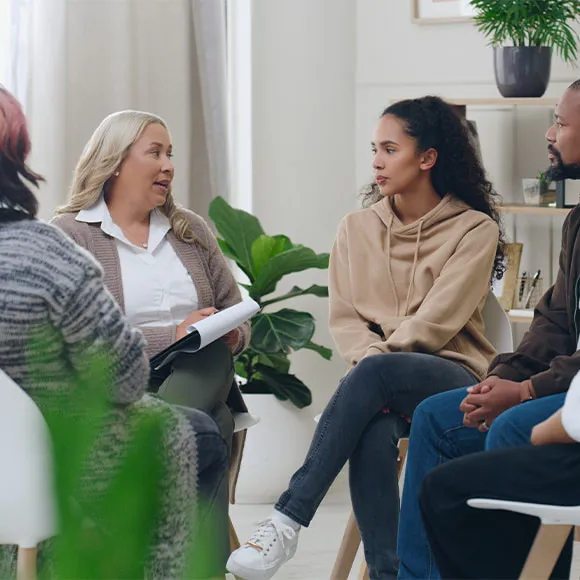
Creating more good days - together
Supporting mental health in the workplace is not a one-time initiative.
It requires a sustained focus on building environments where employees feel supported, understood and equipped to navigate life’s challenges.
By recognizing the connection between mental health and women’s health — and by offering support that's clear, accessible and human-centered — employers can strengthen both employee well-being and organizational performance.

For brokers and employers, the opportunity is clear:
It’s important to design benefit strategies that are used, trusted, and valued. When employees have the support they need, more good days are possible — for individuals, teams and organizations alike.