Mid-Year 2026 PFML Updates Across the States

Paid Family and Medical Leave (PFML) continues to evolve rapidly across the country, and 2026 has already marked a major shift in the conversation.
Maine officially launches benefits
Maine reached a significant milestone this quarter when PFML benefits officially became available beginning May 1, 2026.¹
Eligible employees can now apply for up to 12 weeks of paid leave for:
-
Their own serious health condition
-
Bonding with a new child
-
Caring for a family member
-
Military-related leave
-
Safe leave situations

While employer and employee contributions began in 2025, second quarter 2026 marks the first real-world administration phase for employers, employees and leave administrators.²
As claims activity begins, many employers are now shifting focus toward:
-
Managing employee questions and expectations
-
Coordinating PFML with existing leave programs
-
Navigating claim administration workflows
-
Understanding how state leave interacts with employer-sponsored disability benefits
Public response has also highlighted strong employee awareness and interest in the new benefit, particularly around financial support and job protection during major life events.
For employers, Maine now moves from implementation planning into ongoing leave management and employee support.

New momentum builds in Maryland and Virginia
While several 2026 PFML states are now actively paying claims, attention is beginning to shift toward the next wave of implementation activity. Maryland has resumed rulemaking and program planning following a state delay, while Virginia recently passed new PFML legislation – signaling continued momentum in the evolving paid leave landscape.
All eyes are on Maryland
Maryland has officially released final regulations for its program. While benefits are not scheduled to begin until 2028, implementation activity surrounding the state’s Family and Medical Leave Insurance (FAMLI) program continues building momentum.
Maryland timeline
-

June 2026
Private plan carrier quoting is live
-

Sept. 1, 2026 – Nov. 15, 2026
Declaration of Intent opportunity open
-
Jan. 1, 2027*
Payroll contributions begin
-
Date to be determined in 2027
Formal private plan applications can be submitted to the state
-

Jan. 1, 2028
Benefits scheduled to become available


*All employers, including those that submit a Declaration of Intent to the state, must collect contributions beginning Jan. 1, 2027.

Cost to employers and employees
The Maryland Department of Labor has announced an initial state program contribution rate of 0.90% of covered wages for 2027, with employers and employees generally sharing the cost equally.
Employers with fewer than 15 employees are not required to pay the employer portion of the contribution, although employee contributions are still required. Contributions apply to wages up to the Social Security wage base.
Paid leave benefits
At a high level, Maryland’s PFML program will provide eligible employees with up to 12 weeks of paid leave per application year for qualifying events, including:
-

Bonding with a new child following birth,
adoption or foster placement -

An employee’s own serious health
condition -

Caring for a family member with a
serious health condition -
Certain military-related qualifying
events
Employees who experience both a qualifying medical condition and parental bonding event in the same application year may qualify for up to 24 weeks of combined leave.

Private plan option
Maryland’s law also permits employers to utilize a private plan in place of the state-run program. Employers may apply for approval of either a fully insured or self-insured private plan, provided the plan offers benefits, rights and protections that are at least equivalent to those provided under the state program.
If recent state launches have demonstrated anything, it’s that early coordination can help create smoother implementation and administration experiences.
Virginia adopts statewide PFML program
On April 22, 2026, the Virginia governor signed legislation into law enacting a statewide Paid Family and Medical Leave (PFML) insurance program. The program will provide eligible employees with paid, job-protected leave for certain family and medical reasons.
This marks Virginia as the first state in the Southeast to adopt a comprehensive PFML program.
Payroll contributions are scheduled to begin April 1, 2028, with benefits becoming available December 1, 2028.
Cost to employers and employees
Employers and employees will generally share the cost of the program. Employers may withhold up to 50% of the required contributions from employee’s wages. Small employers defined as having 10 or less employees are only responsible for remitting the employee portion under the state program.
Paid leave benefits
At a high level, the Virginia PFML program will provide up to 12 weeks of paid leave for qualifying reasons, including:
-
Bonding with a new child following birth, adoption or foster placement
-

An employee’s own serious health condition
-
Caring for a family member with a serious health condition
-
Certain military-related qualifying events
-

Leave related to domestic violence, sexual assault or stalking

Private plan option
Virginia’s law also includes a private plan option. Employers may apply for approval to use a private PFML plan in place of the state-run program if the private plan provides benefits and employee protections that are at least equal to those offered under the state program.
We are closely monitoring activity as additional guidance from the state is released.
PFML is becoming part of a bigger strategy
One broader trend also continues emerging across the market: PFML is no longer viewed as a stand-alone compliance issue.
Employers are increasingly evaluating PFML alongside:
-
Disability insurance
-
Absence management
-
Paid time off policies
-
Workforce retention strategies
-
Employee experience initiatives
As programs mature and more states pass legislation, many organizations are recognizing that leave administration impacts not only compliance, but also employee satisfaction, retention and workforce planning.
The national PFML landscape continues expanding
The broader trend remains clear: PFML expansion continues nationwide. 14 states and the District of Columbia now have mandatory PFML programs enacted, with additional states continuing to evaluate legislation and implementation models.
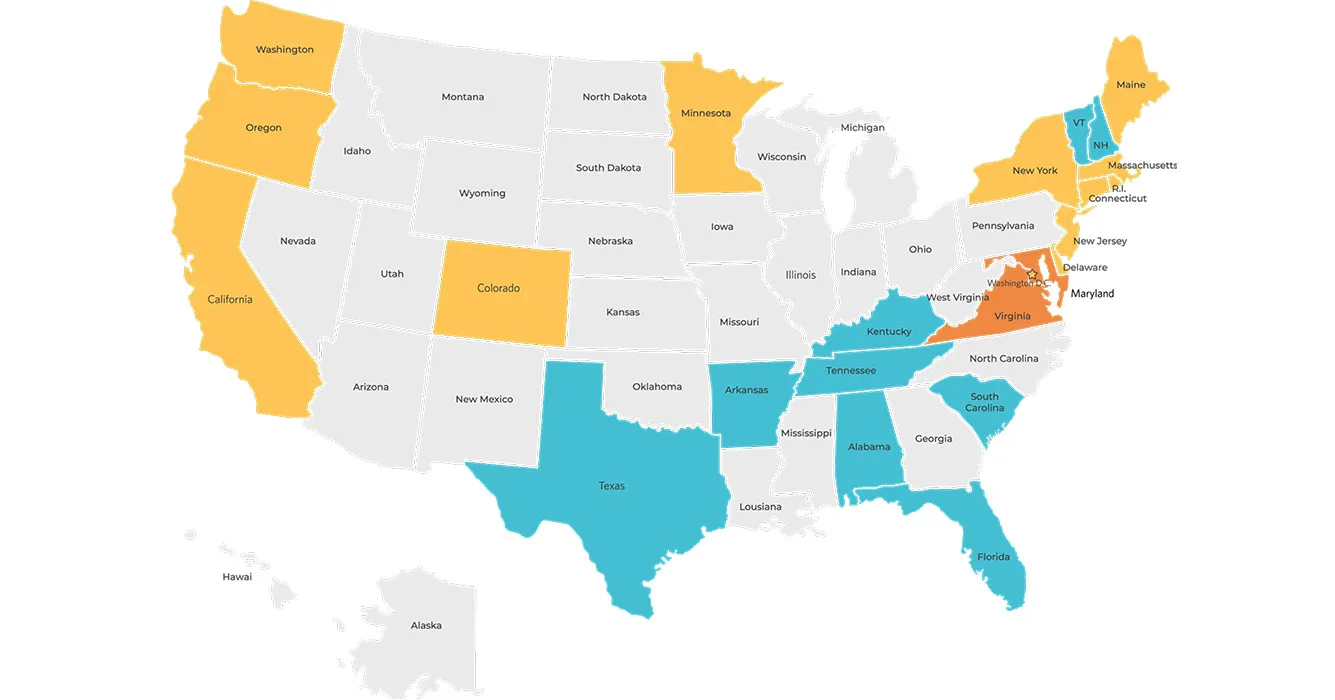




PFML expansion key
What this means for you
-

For brokers
PFML conversations are becoming increasingly common – even in states without active legislation today.
-

For employers
It reinforces the importance of monitoring legislative developments and maintaining flexible leave administration strategies that can adapt as requirements evolve.

Looking ahead
PFML momentum shows no signs of slowing down. For brokers and employers, the remainder of 2026 will likely center on operational execution, employee experience and continued planning as more states refine, expand and create their programs.